Video Frame Interpolation: Capabilities, Limits, and Frame Rates
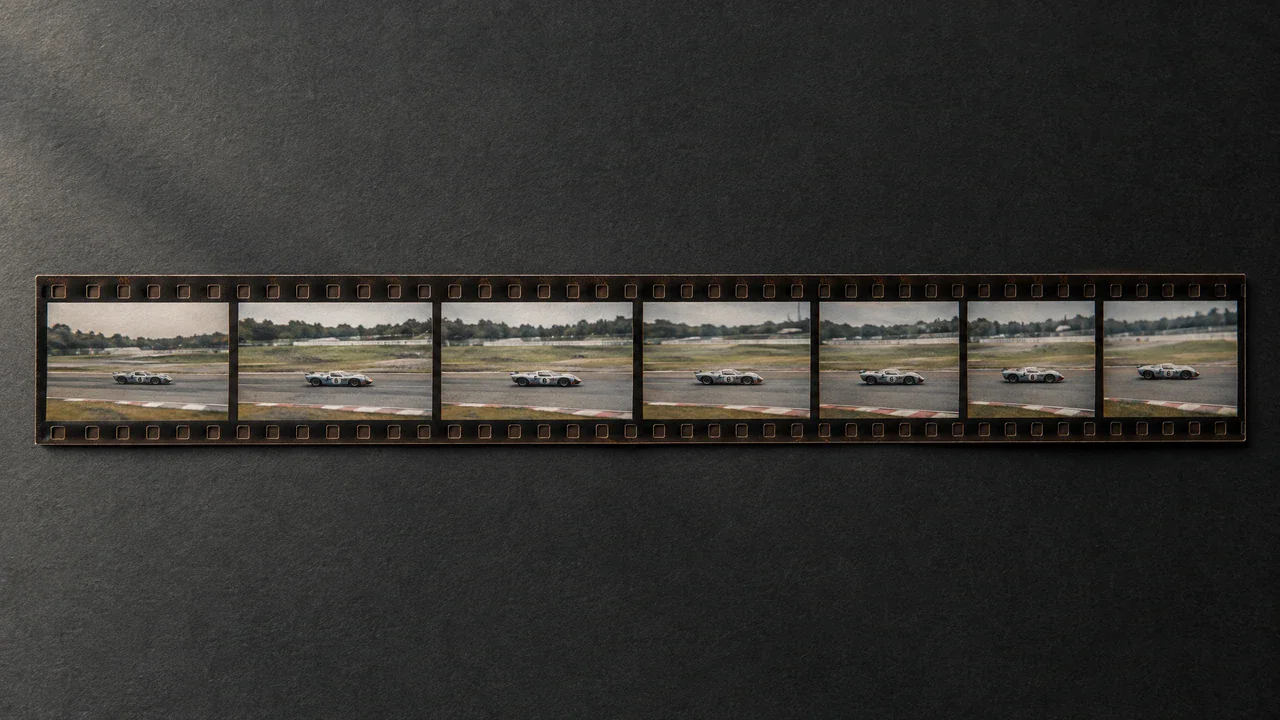
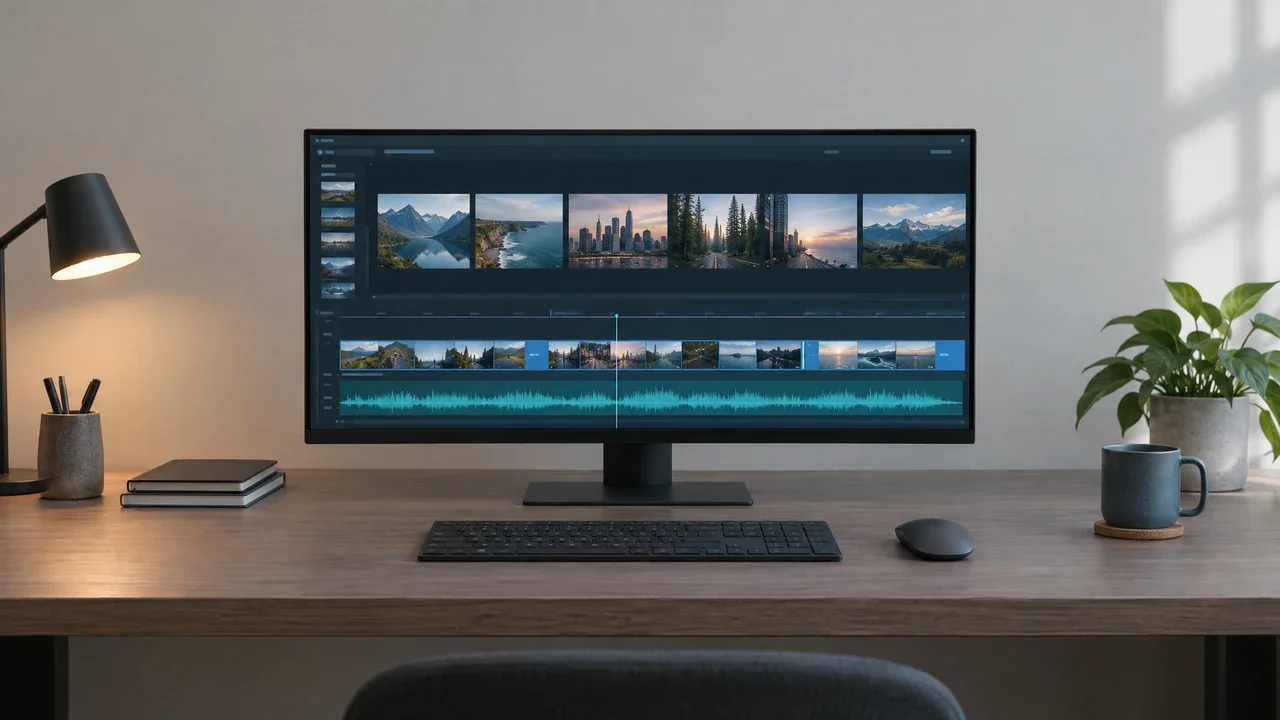
Video frame interpolation estimates what should appear between two captured frames. The model studies movement, shapes, and local changes, then generates one or more intermediate frames. Increasing frames per second can reduce visible stepping during pans or object motion, but generated frames are predictions. They do not contain new measurements from the original camera.
AI Video Smoothing Is Not Stabilization
Stabilization estimates camera movement and reframes or transforms the image to reduce shake. AI video smoothing changes the number and spacing of frames. A shaky 24 fps clip can become a shaky 60 fps clip with more intermediate images. If the problem is camera shake, use an appropriate stabilization workflow rather than expecting frame interpolation to correct it.
Interpolation Cannot Guarantee Motion Repair
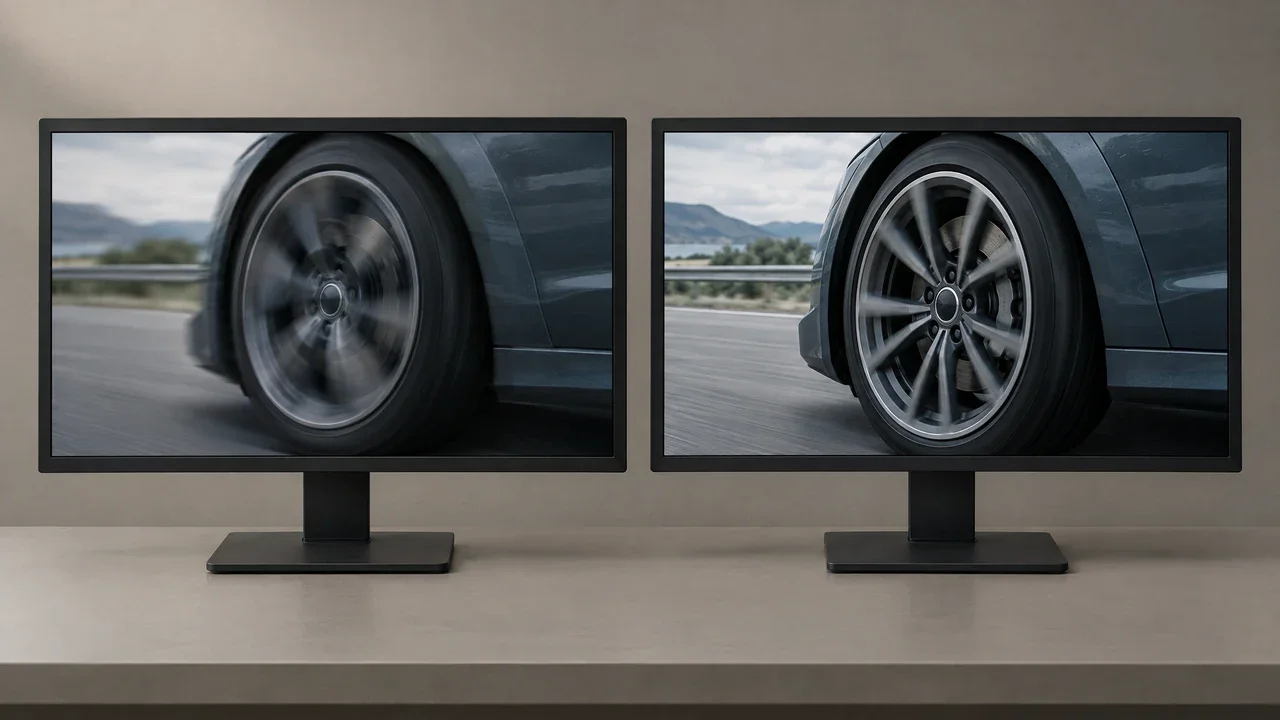
If hands, limbs, faces, or objects are already deformed in the source, new frames may reproduce or extend the error. The process can also misread occlusion, rapid direction changes, or motion blur. AI video smoothing can improve cadence, but it cannot promise anatomical correction, object reconstruction, or perfect continuity.
Match Available Frame Rates to the Viewing Context
When 30 and 60 fps are available, use the target that matches your delivery need. Thirty frames per second can provide a smoother general-purpose result with fewer generated frames. Sixty frames per second can make fast motion feel more fluid but gives the model more intermediate content to predict. Compare both when possible and judge quality, file size, style, and platform requirements together.